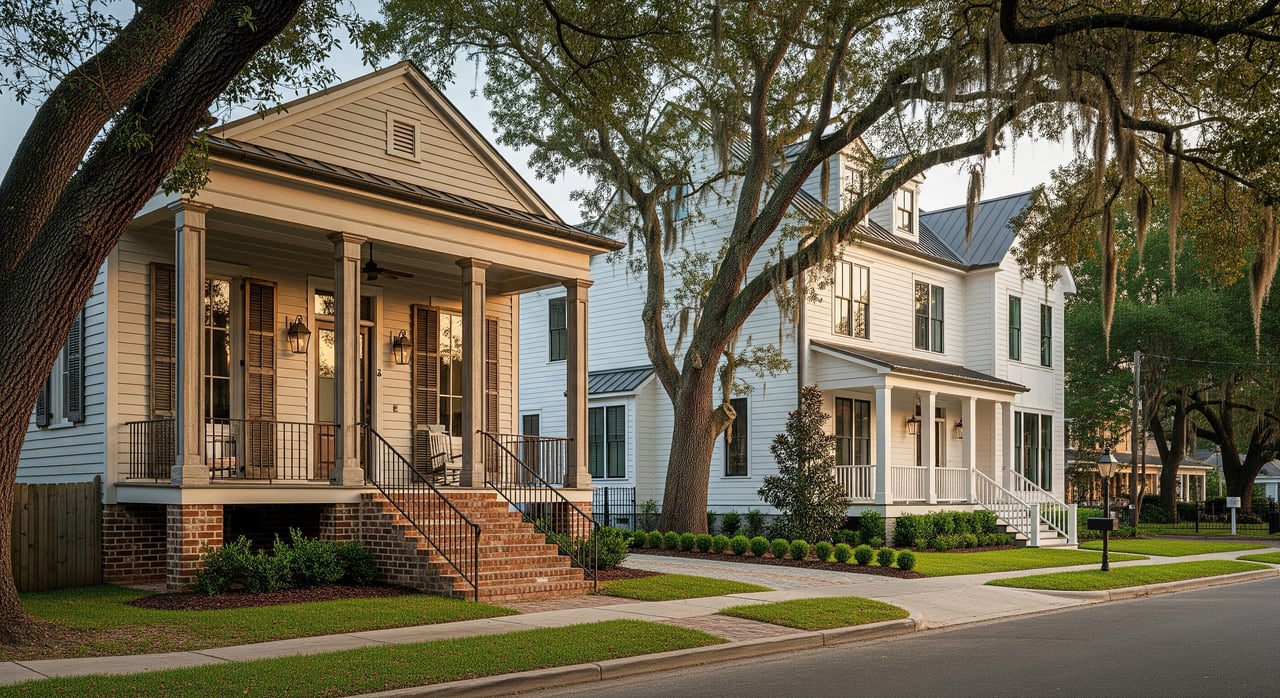
Thinking about buying in Carencro and trying to choose between a brand-new build and a resale home? You are not alone. Each path offers real benefits, and the best choice depends on your timeline, budget, and how much customization you want. In this guide, you will learn what to expect for costs, timing, upkeep, and local risks so you can move forward with confidence. Let’s dive in.
Carencro at a glance
Carencro is part of the Lafayette metro, with a mix of established neighborhoods, new subdivisions, and infill homes near growth corridors into Lafayette. Local demand is shaped by regional jobs, commuting patterns, and school zones. Inventory and prices shift quickly, so plan to verify current numbers with local market reports or MLS data when you get serious.
Total cost: what to compare
The true cost goes beyond the sticker price. In Carencro, look at the full picture so you are not surprised later.
- Purchase price: New construction usually lists higher per-square-foot prices. Resales can look lower but may need updates.
- Lot and sitework: Some Carencro lots need extra site prep due to drainage, soil, or elevation. Ask about typical fees for utility connections, grading, and foundation work. If buying resale, ask sellers about prior elevation or drainage improvements.
- Upgrades and options: Builder base prices can rise 10 to 30 percent with design center selections like flooring, cabinetry, counters, and lighting. A resale may already include higher-end finishes.
- Closing costs and incentives: Lender and title fees are generally similar. Some builders offer closing help or rate buydowns, which change your net cost.
- Insurance and taxes: Flood risk and FEMA flood zone status affect insurance. New homes often have higher assessed values, which can mean higher property taxes than older resales. Get homeowner’s and flood insurance quotes for specific addresses and confirm parcel tax info with the parish assessor before you decide.
Pro tip: Compare two real addresses side by side. Get insurance quotes, check tax records, and line up expected renovation or upgrade costs.
Timeline to move-in
Your schedule can be a deciding factor.
- Resale: Most buyers close within about 30 to 60 days after an accepted offer, depending on financing and negotiations.
- New construction spec: If the home is completed or near completion, plan on about 1 to 3 months to close.
- Build-to-order: Expect roughly 6 to 12 months from contract to keys, sometimes longer if materials or labor are tight.
Local delays can happen. Heavy rain and storm seasons, parish permitting timelines, and material lead times can extend schedules. Be clear on whether you are considering an inventory home or a true custom build.
Customization and finishes
Think about how much you want to personalize your home.
- New construction: You can often choose layout options and finishes. The menu of choices varies by builder, and premium selections add cost and time.
- Resale: You are working with an existing layout. Renovations can tailor the space, but factor in contractor availability, cost, and time. In tight markets, remodeling timelines can rival new-build schedules.
For long-term value, structural changes and added square footage tend to impact resale more than purely cosmetic upgrades. Appraisals and local comparables will guide value expectations.
Warranties and protections
Coverage can be a major difference between new and resale.
- New construction: Many builders offer a one-year workmanship warranty, a two-year systems warranty for items like plumbing and electrical, and a longer structural warranty that can extend up to 10 years. Coverage and exclusions vary by builder, so review documents carefully and ask how claims are handled and whether the warranty is transferable.
- Resale: You rely on inspections and negotiations for repairs. Some sellers offer a 12-month home warranty plan, but it is not the same as a builder’s structural coverage.
Ask for sample warranty documents before you commit so you know what is included and what is not.
Long-term upkeep and efficiency
Southern Louisiana’s climate puts homes to the test. Plan for operating and replacement costs over time.
- System lifespans: HVAC commonly lasts 10 to 20 years. Asphalt shingle roofs often run 15 to 25 years. Newer homes may push these timelines further due to current codes and systems.
- Efficiency: New builds often meet modern energy codes and may include better insulation, windows, and right-sized HVAC, which can reduce utility bills. If available, ask whether the home has Energy Star or HERS ratings. You can learn more about efficient new homes from the Energy Star new homes overview.
- Maintenance backlog: Resales can have near-term needs like roof, HVAC, or appliance replacement. A professional inspection will help you budget.
- Local conditions: Termites, moisture, and storm wear are recurring realities. Plan for regular pest control, moisture management, and storm-readiness checks.
Local risks and rules to know
Make sure the property fits your risk tolerance and financing requirements.
- Flood and drainage: Lafayette Parish includes areas with flood risk. Check parcel flood zones using the FEMA Flood Map Service Center, and get flood insurance quotes even if a home sits outside special hazard zones.
- Hurricanes and wind: Newer construction may include wind-resistant features like hurricane straps, impact-rated windows as upgrades, and stronger roof attachments. These can lower risk but add upfront cost.
- Utilities and septic: Some properties are on parish sewer, others on septic. Septic upkeep can be a major cost. Verify utility availability before you buy.
- Permits and inspections: Parish permitting and inspection schedules affect build timelines. Confirm current lead times if you are considering a build.
Decision tool: which fits you
Use a simple scoring exercise to clarify your best fit. For each line below, give 1 to 5 points to New Construction and to Resale. Higher totals point to the better match for you.
- Timeline to occupy: Can you wait 6 to 12 months, or do you need to move in 30 to 60 days?
- Budget sensitivity: Is your budget strict, or do you have room for builder upgrades or renovations?
- Customization needs: Do you want specific layouts and finishes, or can you work with an existing floor plan?
- Maintenance tolerance: Do you want low near-term upkeep, or can you handle repairs soon after closing?
- Efficiency priority: Is lower utility usage a top goal, or is it a nice-to-have?
- Risk tolerance: Are you comfortable with potential construction delays and change orders, or do you prefer fewer unknowns?
- Resale outlook: Do neighborhood comps and HOA rules support your plan for long-term value?
Ask yourself:
- How important is moving within a specific number of months?
- Which features are must-haves versus nice-to-haves?
- What renovation budget are you comfortable with if a resale needs updates?
- Can you absorb possible construction or permitting delays if you build?
Illustrative scenarios
These are examples to help you think through tradeoffs. They are illustrative only.
- Young family, immediate move-in: A resale near schools offers speed and established yards. Expect to budget for personal updates in the first year.
- Growing family, tailored layout: A new build, either a spec with selected finishes or a build-to-order, can deliver your preferred plan and newer systems. Plan for upgrade costs and a longer timeline.
- Budget-focused buyer, handy with projects: A resale can have a lower entry price, and you can update over time. Get a detailed inspection to identify near-term capital needs.
- Multi-generation household or investor: New construction offers predictable maintenance and standard warranties, while a resale may provide faster occupancy and potentially lower purchase price. Review HOA rules and local demand for the property type you have in mind.
Due diligence checklist
Work through these steps before you choose a path:
- Verify current Carencro pricing and inventory with recent MLS or brokerage reports.
- Pull parcel flood zones using FEMA’s map tool, and request homeowner’s and flood insurance quotes for specific addresses.
- Confirm property tax estimates with the Lafayette Parish Assessor for the parcels you are considering.
- If building, request builder sample contracts and warranty terms. Ask about timelines, change-order costs, and what happens if delays occur.
- Review HOA covenants and dues if the home is in a subdivision.
- Order a professional inspection for resale. For new construction, consider third-party phase inspections, like pre-drywall and final.
- Check permit and code compliance history with Lafayette Parish Planning and Building.
- Talk with your lender about construction-to-permanent loans, mortgage timelines, and how rate locks or builder buydowns are handled.
Bottom line
If speed and lower upfront cost are top priorities, a well-vetted resale can be smart. If you value modern systems, customized layouts, and warranties, new construction may fit best. In Carencro, local factors like drainage, flood risk, and utility access can tip the scales either way, so take the time to compare two or three real addresses with full quotes.
Want a local, personalized plan for your next move in Carencro or greater Lafayette Parish? Schedule a free consultation with Christine Van Eaton to discuss your timeline, budget, and goals, and to explore both new-build and resale options.
FAQs
What are the key cost differences in Carencro?
- New builds start higher per square foot and can rise 10 to 30 percent with upgrades, while resales may need renovation and near-term repairs. Always compare insurance, taxes, and site prep or update costs by address.
How long does a new build take in Lafayette Parish?
- Spec homes often close in 1 to 3 months. Build-to-order homes commonly take 6 to 12 months from contract, with possible delays due to weather, permitting, or materials.
Are new homes more energy efficient in southern Louisiana?
- Often yes. New construction typically meets current energy codes and may include better insulation, windows, and right-sized HVAC. Ask about Energy Star or HERS ratings and compare estimated utility costs.
How does flood risk affect buying in Carencro?
- Flood zones influence insurance and lending. Check each parcel through the FEMA Flood Map Service Center and get flood insurance quotes, even if the home is outside special hazard areas.
Should I get an inspection on new construction?
- Yes. Consider third-party inspections at key phases, such as pre-drywall and final, to verify workmanship and catch issues early, even when the builder offers a warranty.
What local factors can raise build costs?
- Lot-specific conditions like drainage, soil, utility connections, and elevation can increase sitework. Ask builders for typical fees and confirm if special foundation or grading work is required.