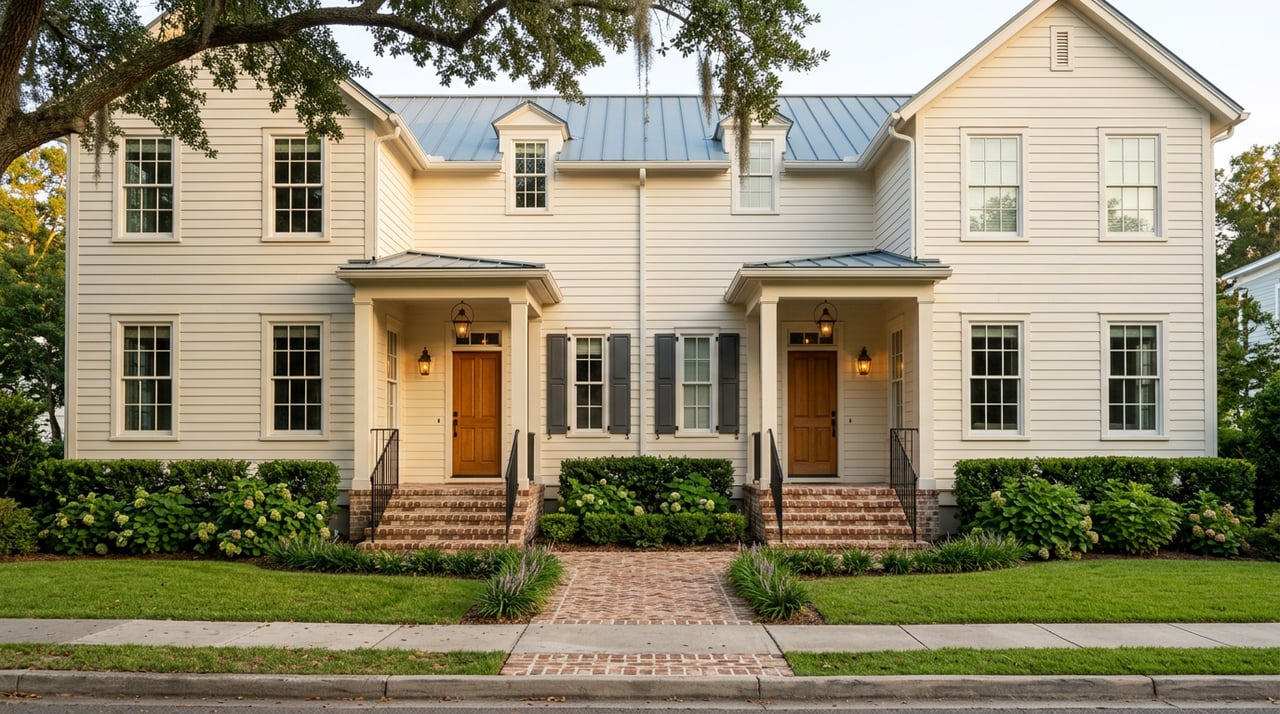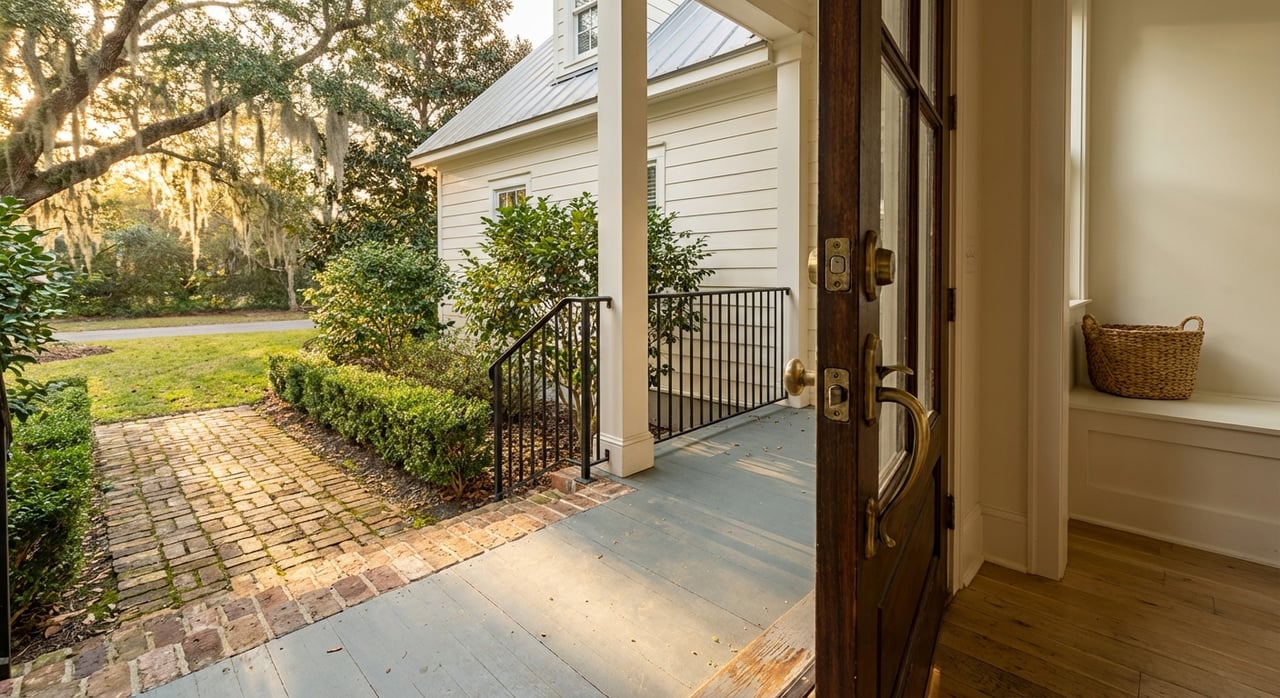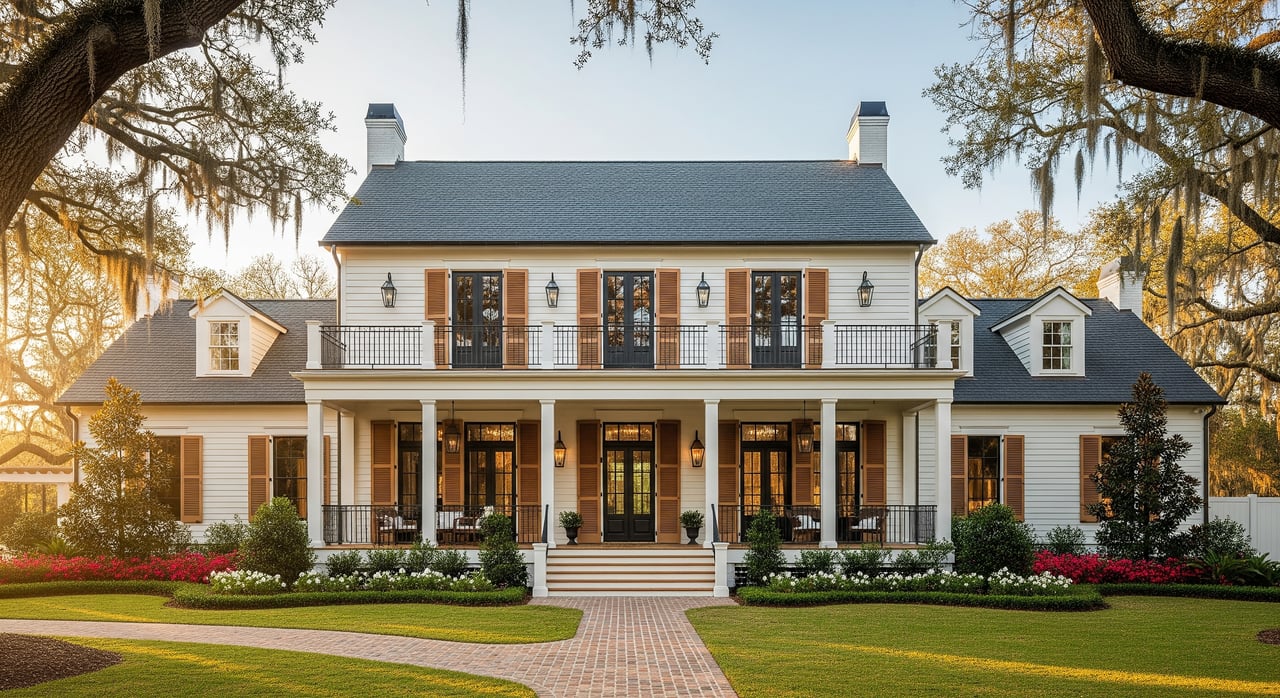
Should you plant roots in Lafayette or head to a nearby suburb like Broussard, Youngsville, or Carencro? It is a big decision with tradeoffs that affect your daily routine, budget, and long-term plans. You want the right fit for your commute, home style, school preferences, and peace of mind. In this guide, you’ll learn how these communities differ, what data to check before you decide, and a simple framework to compare options with confidence. Let’s dive in.
Quick snapshot: Lafayette vs nearby suburbs
Lafayette city
Lafayette is the cultural and economic hub of Acadiana with a mix of historic neighborhoods, mid-century areas, and newer infill. You’ll find the widest range of housing types, including condos and townhomes. Living here often means shorter drives to downtown employers and medical centers and better access to public transit routes. You trade larger lots for walkability, cultural events, and proximity to restaurants and hospitals.
Broussard
Broussard has grown quickly with many new single-family subdivisions and expanding retail. Homes often sit on larger lots than many city neighborhoods. Commuting patterns typically flow north into Lafayette, so drive times can increase during peak hours. Growth can also add traffic and ongoing construction, so it helps to test your route at rush hour.
Youngsville
Youngsville is one of the fastest-growing municipalities in the parish with planned subdivisions and master-planned communities. Newer construction is common and amenities cater to suburban living. Many residents drive into Lafayette for work, so expect a car-first lifestyle. Rapid growth can impact school capacity and roads, so it is smart to verify current enrollment and planned projects.
Carencro
Carencro offers a small-town feel with a mix of older homes near the town center, newer subdivisions, and some larger acreage parcels. Proximity to the I-49 corridor can benefit certain commutes. Municipal services and utilities can vary by neighborhood given the blend of suburban and rural properties. As with any area, it pays to check utility providers, broadband options, and parcel-level details.
Commute and transportation
Start by mapping your typical trips at real commute times. Check drive times to your workplace at 8:00 a.m. and 5:30 p.m., and include school drop-off if that applies. In general, Lafayette city neighborhoods reduce distance to central employers and cultural venues. Suburbs like Broussard, Youngsville, and Carencro are lower-density and more car dependent, which can add minutes during peak hours.
Public transit routes are centered in the city, so if you want more options beyond driving, factor that in. Also consider event traffic and seasonal patterns when Lafayette hosts festivals or major games. The more you test with real-time navigation, the fewer surprises you will have after move-in.
Housing options and pricing
Compare not just price points, but product types. Lafayette’s city core offers everything from older cottages and bungalows to downtown condos and townhomes. Suburban communities tend to feature newer single-family homes, often with larger lots and planned neighborhood amenities. Carencro includes both newer subdivisions and areas with more land.
When you evaluate listings, note these details:
- Median sale price and price per square foot for the neighborhood
- Average lot size and the share of new construction
- Age of homes and typical maintenance needs
- Days on market and inventory trends for similar properties
Newer homes may reduce near-term repair costs. Older homes can offer character and central locations. Decide which tradeoffs you prefer, then compare apples to apples across at least three neighborhoods.
Schools and assignment boundaries
School quality and fit can vary block by block within Lafayette Parish. Since attendance zones can cross municipal lines, do not assume a town name equals a specific school. Confirm the assigned elementary, middle, and high schools for each address you are considering. It also helps to review state accountability reports, look at trends over time, and ask about enrollment and capacity.
If you are targeting magnet, charter, or private options, add commute time and admission timelines to your checklist. Visit schools when possible so you can see arrival and dismissal traffic, facilities, and program offerings firsthand.
Lifestyle and amenities
Think about how you spend a typical week. Lafayette concentrates restaurants, arts venues, hospitals, and festivals in and around downtown. If you value walkability and nightlife, a city neighborhood may suit you. Suburbs like Broussard and Youngsville offer newer shopping centers, community parks, and family-focused amenities in a quieter setting. Carencro blends small-town conveniences with quick access to Lafayette.
List your must-have amenities such as grocery options, parks, sports fields, or proximity to medical services. Visit at different times of day to get a feel for noise levels, traffic, and the pace of life.
Public safety, services, and utilities
Services and response times can vary between the City of Lafayette and incorporated suburbs. Review publicly available crime data at the neighborhood level and check police and fire station coverage. Identify who provides trash, recycling, water, sewer, gas, and electric service for each address. Also verify broadband availability, providers, and speeds if you work from home or stream regularly.
These details can affect both your experience and your monthly costs. Make notes for each neighborhood so you can compare objectively.
Taxes, insurance, and flood risk
Property tax rates are set by the parish and local taxing districts. Estimated tax bills can differ by property based on assessments and exemptions, so it is wise to run the numbers for any short list. Homeowner’s insurance premiums vary based on construction, age, and location. Flood risk is a key driver of cost in south Louisiana, so look up each parcel’s FEMA flood zone and ask about elevation certificates when relevant.
Some areas outside mapped floodplains may see lower flood insurance costs, while others may require higher coverage. Obtain preliminary insurance quotes and confirm flood zone information before you make an offer. That way you compare total monthly expense rather than list price alone.
Resale and growth outlook
Growth can support future value, but it can also increase traffic and strain infrastructure. Broussard and Youngsville have seen notable expansion in recent decades, and development interest remains strong. Lafayette continues to invest in roads, public spaces, and commercial corridors that anchor the region. Carencro’s access to I-49 can appeal to some commuters and businesses.
Ask about planned road projects, school construction, rezonings, and major commercial developments that could change traffic patterns or add buyer demand. A forward view helps you weigh both convenience and potential appreciation.
A simple decision framework
Use this step-by-step approach to compare Lafayette and the suburbs with clarity.
Step A: Define priorities
- List your top three must-haves such as commute under a set time, a minimum lot size, or assignment to a particular school.
- Identify acceptable tradeoffs. For example, you might accept a longer commute for a newer home.
Step B: Build a comparison sheet
Create columns for each neighborhood and include:
- AM and PM commute times to primary workplaces
- Assigned schools and the latest performance profiles
- Median sale price, price per square foot, and days on market
- Lot size, home age, and share of new construction
- Property tax estimate and any special assessments
- FEMA flood zone for target parcels
- Police jurisdiction and a summary of local crime data
- Proximity to grocery, hospitals, parks, and dining
- Broadband providers and typical speeds
- Planned projects that could impact value
- Notes on neighborhood character and walkability
Step C: Test-drive your routine
- Run drive-time checks at your actual commute hours.
- Visit schools and observe arrival and dismissal traffic.
- Tour neighborhoods on weekday mornings, evenings, and weekends.
- Talk with local residents and meet your agent on site for context.
Step D: Verify the hard data
- Confirm school assignments and review current state accountability data.
- Check flood maps and request elevation certificates for higher-risk zones.
- Get preliminary homeowner’s and flood insurance quotes by address.
- Pull recent comparable sales and verify with assessor records.
- Review crime reports and public safety resources.
Step E: Think long term
- Ask about road projects, new subdivisions, and commercial developments.
- Consider demand drivers such as proximity to hospitals, universities, or major employers.
- Align the property with your 5 to 10 year goals for space, maintenance, and resale.
Bring these questions to your consult
- What are my typical drive times to work at 8:00 a.m. and 5:30 p.m. from each target neighborhood?
- Which elementary, middle, and high schools serve these addresses, and what are their latest performance profiles?
- What recent comps best represent each neighborhood, and what are typical days on market?
- What is the parcel’s FEMA flood zone and elevation relative to base flood elevation? Any past flood claims?
- Which taxing districts apply to this property and what is the estimated annual property tax bill?
- Are there planned road projects, school construction, or rezonings that may affect traffic or value?
- Which utilities and broadband providers serve this street, and are there known capacity issues?
- What municipal services differ between living inside Lafayette city limits and in each suburb?
Next steps
Your choice between Lafayette and nearby suburbs comes down to how you want to live each day, not just where you sleep. If you define your must-haves, test-drive your routine, and verify parcel-level details, you will feel confident in your decision. Our team pairs local insight with data to help you compare options side by side, whether you are focused on a city bungalow, a new-construction home in a planned community, or acreage on the edge of town.
If you are ready to create a short list tailored to your needs, schedule a friendly, no-pressure consult. Connect with Christine Van Eaton to get started.
FAQs
What should I compare first when choosing between Lafayette and nearby suburbs?
- Start with commute time, housing type and age, school assignments, and flood risk because these factors shape daily life and total monthly cost.
How do commute times typically differ between Lafayette and Broussard, Youngsville, or Carencro?
- City neighborhoods are closer to central employers and often reduce drive time, while lower-density suburbs usually require longer, car-first commutes at peak hours.
How should I evaluate schools across Lafayette Parish when neighborhoods cross attendance lines?
- Confirm the assigned schools for each address and review current state accountability reports, then visit campuses and consider commute and program fit.
What is the best way to check flood risk and insurance costs for a specific property?
- Look up the parcel’s FEMA flood zone, ask for an elevation certificate if needed, and get preliminary homeowner’s and flood insurance quotes by address.
Are newer suburban homes always better for resale than older city homes?
- Not always. Newer homes can reduce near-term maintenance, while older city homes may benefit from central location and amenities. Compare demand, comps, and planned infrastructure.
Which monthly costs can vary the most between Lafayette and the suburbs?
- Insurance premiums, property taxes tied to local districts, utility rates, and commuting costs often vary. Verify each item for the specific address you are considering.